Categories
نقطۂ نظر

Stop Shaming Women for Not Wearing Dupattas

Stumbling upon a blog post titled “How can I complain about men staring at me when I’m not wearing my dupatta?” I somewhat knew what I was going to read upon clicking. It wasn’t because I am a clairvoyant, but because such narratives have been so tirelessly peddled in our society, one can see them coming from a mile away.

The author of the blog asserts that “dupattas are an inevitable part of our cultural dress code” and women who choose not to wear dupattas are doing it “due to peer pressure or misguided desire of being called progressive”. Like many other guardians of our culture out there, she requested women not to abandon their dupattas or else they would be promoting a foreign culture at the cost of their own.

It is not just dupattas, women have been judged for stepping outside their homes and for having their own opinions for so long that even women have started to blame themselves for daring to act upon these fundamental human needs. And when our ‘scientists’ are not busy getting cars running on water, they are researching on how women’s attires can prompt earthquakes. Such researches are amply cited on the loudspeakers at our local mosques. I still wonder what causes quakes on Mars though, humans haven’t even moved there yet.

Gladly, culture is not a stagnant code of life that must be respected at all costs and I hope that ours evolves for better.

We are so often told to respect and hold onto our culture like it is some invariable entity. But it is not culture that yields societies, but the other way around. Cultures transform and are redefined as societies evolve. You cannot tell a woman to stick to wearing a dupatta in the name of culture for the same reasons you cannot tell a man to stick to wrapping a dhoti around his waist like men from the Indus Valley Civilization used to. Had humans stuck to what they used to wear in the name of culture or medieval mythologies, we’d all be walking around with leaves around our naughty bits and nothing like our cultural dresses today would have had the chance to exist.

As for people who are insistent on defining culture as a static and invariable way of living, you might not like acknowledging it, but places like Heera Mandi remain as startling fragments of our culture and so do practices like honor killings. The latter, however, is a horrid cultural trend still persisting in various parts of Pakistan and it rightly deserves our condemnation. Gladly, culture is not a stagnant code of life that must be respected at all costs and I hope that ours evolves for better.

I am yet to meet a woman in Pakistan who has managed to avoid such instances of intimidation by men in public spheres by wearing dupattas or even burqas.

Besides the cultural association of proscribing jeans and favoring dupattas, there are clichéd notions of victim blaming that hold women responsible for being stared at or harassed by men. Although it must not come as a surprise in a male dominated society, but it is disappointing to see well educated people failing to see the fallacies that lie within such arguments. If you think a woman who does not wear a dupatta has lost any right to complain about sexual harassment, because after all she was the one asking for it, I hope you also have very good explanations for child abuse and sexual harassment of boys. The situation of victim blaming has gotten so worse in our society, that upon reading the news of necrophilia cases, I fear that somebody might blame the dead bodies of the girls buried deep into the ground to be provocative or not buried deep enough.

People who hold and perpetuate such abominable opinions often neglect the plight of women who resort to wearing burqas due to peer pressure or for avoiding prying eyes and worse – harassment. I am yet to meet a woman in Pakistan who has managed to avoid such instances of intimidation by men in public spheres by wearing dupattas or even burqas. Having lived in cities like Quetta, it no longer surprises me to see men ogling entirely covered women as if, in their imaginations, they’re trying to solve mysteries of what lies behind the thick dark cloaks that were somehow supposed to make them look the other way.

We are outraged when a country bans women from wearing burqas, but we’re completely fine with certain attires being enforced upon them in our own country. In the end, aren’t we both doing the same thing – taking away the liberty of women to choose what they want to wear?

Categories
نقطۂ نظر

خدا میرا بھی ہے

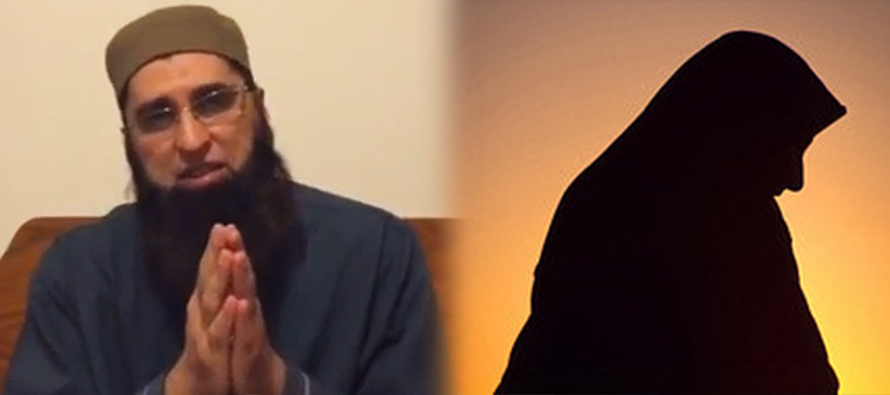
جنید جمشید کے خواتین کے حوالے سے بیانات محض ایک فرد یا صرف تبلیغی جماعت کا نقطہ نظر نہیں بلکہ پدرسری معاشرے کی ان اقدار کا مشترکہ اظہار ہے جو ان معاشروں میں پنپنے والے تمام مذاہب کا خاصہ ہے۔ مذہبی فکر اور مبلغین مذہب خواہ وہ سامی مذاہب سے تعلق رکھتے ہوں یا غیرسامی مذاہب سے سبھی کے ہاں عورت دوسرے درجے کی انسان اور جنس قرار پائی ہے۔ باقاعدہ مذاہب پدرسری معاشروں میں پروان چڑھےاور ان کی تشکیل کا تمام تر عمل مردوں کے سپرد رہا یہی وجہ ہے کہ زیادہ تر مذہبی کتابوں میں عورت کا تذکرہ مرد کے تابع اورکم تر جنس کے طور پر ملتا ہے۔


جنید جمشید اور ان کے قدماء اس غلط فہمی پر یقین رکھتے تھے اور رکھتے ہیں کہ عورت کو خدا نے ایک کم تر جنس کے طور پر پیدا کیا ہے اور خدا نے ہی عورت کی سماجی، سیاسی اور معاشی حیثیت مرد سے کم تر قرار دی ہے۔
جنید جمشید اور ان کے قدماء اس غلط فہمی پر یقین رکھتے تھے اور رکھتے ہیں کہ عورت کو خدا نے ایک کم تر جنس کے طور پر پیدا کیا ہے اور خدا نے ہی عورت کی سماجی، سیاسی اور معاشی حیثیت مرد سے کم تر قرار دی ہے۔ ان اصحاب کے خیال میں عورت کی تخلیق محض مرد کی تسکین اور افزائش نسل کے لیے ہے۔ ان کے نزدیک عورت کی تخلیق سے لے کر عقل و خرد کے ناقص ہونے تک ہر موقع اور معاملے میں خدا نے مردوں کو مقدم قرار دیا ہے۔ ان حضرات کے نزدیک عورت مذہب، معاشرت، خانگی امور ، جنسی تعلقات، سیاست، معیشت غرض ہر معاملے میں مردوں کے فیصلوں کی پابند ہے اور مردوں کی مطیع ہے۔


احادیث اور قرآنی آیات کی من مانی تشریحات کے ذریعے مسلمانوں کی اکثریت نے عورت کو ہمیشہ عوامی، سیاسی، معاشی، مذہبی اور معاشرتی زندگی سے بے دخل کیا ہے۔ یہ رویہ اسلام کو جدید دنیا کے لیے قابل قبول بنانے میں حائل بڑی روکاوٹوں میں سے ایک ہے کیوں کہ موجودہ دنیا شعور کی جس سطح پر ہے وہاں عورت کے کم تر جنس ہونے کا تصور کسی ذی فہم کے لیے درست نہیں۔ بدقسمتی سے اسلامی فقہ کی تشکیل کے وقت جو معاشرتی خامیاں مسلم فکر کا حصہ بنیں انہیں دور کرنے کی کوئی قابل ذکر کوشش سامنے نہیں آئی۔جدت پسند مسلم مفکرین کی اکثریت بھی عورت کے معاملے میں قدامت پرست ہی رہی ہے۔


مسلم معاشروں کی اکثریت تاحال عورت کے حوالے سے پدرسری اقدار کو خداکاحکم قرار دے کر اپنائے ہوئے ہے اور یہ تسلیم کرنے کو تیار نہیں کہ اسلام کی تشریح عرب ثقافت کی تشریح نہیں ہونی چاہیے۔ عرب، ایران اور ہندوستان میں اسلام کی تشکیل اور ترویج کے دوران مقامی پدرسری اقدار کو مقدسات کا درجہ دے کر عورت کو مرد کا محکوم اور مطیع بنانے کا عمل خود اسلام کے پیغام مساوات کے خلاف ہے۔ اسلام کی قدامت پسند تشریح طالبان، بوکوحرام، داعش، امام غزالی، مولانا اشرف علی تھانوی،طارق جمیل اورجنید جمشید کی صورت میں کبھی متشدد تو کبھی پرامن صورت میں عورت کی مساوی حیثیت سے انکار کا باعث بن رہی ہے۔


اسلام کی قدامت پسند تشریح طالبان، بوکوحرام، داعش، امام غزالی، مولانا اشرف علی تھانوی،طارق جمیل اورجنید جمشید کی صورت میں کبھی متشدد تو کبھی پرامن صورت میں عورت کی مساوی حیثیت سے انکار کا باعث بن رہی ہے۔
مذہبی فکر پر مردوں کے غلبے کے باعث عورت کے لیے مذہب امور میں اپنی آواز بلند کرنے، رہنمائی کرنے یا معاملات دین میں اجتہاد کرنے کے راستے مسدود کیے جاچکے ہیں۔ ایک جانب مرد مسلمان عورت کی آزادی کو محدود کر رہےہیں تو دوسری جانب مسلمان عورت اپنے حق اور برابری کے لیے جدوجہد کرنے کو تیار دکھائی نہیں دیتی۔ بلکہ بیشتر صورتوں میں عورت اس بات سے آگاہ بھی نہیں کہ مذہبی اقدار کے نام پر اس کا استحصال کیا جارہا ہے۔ وہ مذہب اور خدا کا حکم سمجھ کر مسلسل مرد کی مطیع اور فرمانبردار بنی ہوئی ہے ۔ ایک جانب مرد عورت کو اپنی باندی بنائے رکھنے پر مُصر ہے تو دوسری جانب مسلمان عورت اس قید کو اپنے لیے خدائی حکم سمجھ کر اس پر قانع و شاکر ہے۔


جنید جمشید کو اس بات کا جواب دینا ہوگاکہ کیا احترام کے نام پر امتیازی سلوک، تعصب اور ناانصافی جائز قرار دیے جاسکتے ہیں؟ اگر جنید جمشیدکا خیال ہے کہ خدااور اسلام نعوذ باللہ مرد اور عورت میں تفریق، امتیازی سلوک یا ناانصافی کے قائل ہیں تو انہیں اپنے عقیدے اور اپنی فقہ پر نظرثانی کرنی چاہیئے نہ کہ خدا کے نام پر عورت کے استحصال کی حمایت کرنی چاہیئے۔ مرد علمائے دین اور مردانہ برتری کی قائل عالمات اگر خدا کے نام پر عورت کو محکوم بنائے رکھنے اور حقوق نسواں کی نفی کرنے کو اسلام کی تعلیمات کے مطابق سمجھتے ہیں تو مسئلہ یقیناً خدا کے پیغام میں نہیں بلکہ ان علمائے دین کی تشریحات اور نقطہ نظر میں ہے۔


قدامت پرست مذہبی فکر کے حامل مردوخواتین خصوصاً جنید جمشید اور طارق جمیل کے لیے حضرت عائشہ رضی اللہ تعالی عنہا اور حضرت خدیجہ رضی اللہ تعالی عنہا کی ذات کے اسلام پر اثرات کی تحقیق ضروری ہے۔ یقیناً ان دونوں جلیل القدر صحابیات کے اسلامی فکر پر اثرات کسی بھی طرح حضرت ابوبکر رضی اللہ تعالی عنہ اور حضرت عمر رضی اللہ تعالی عنہ کی خدمات سے کم تر نہیں۔لیکن بدقسمتی سے یہ روایت رسول اللہ صلی اللہ علیہ وآلہ وسلم کی وفات کے بعد زیادہ عرصہ تک جاری نہ رہ سکی۔ اور مسلم معاشرہ بہت جلد پدرسری روایات کے تحت عورتوں کو کم تر حیثیت دینے لگا۔


اگر جنید جمشیدکا خیال ہے کہ خدااور اسلام نعوذ باللہ مرد اور عورت میں تفریق، امتیازی سلوک یا ناانصافی کے قائل ہیں تو انہیں اپنے عقیدے اور اپنی فقہ پر نظرثانی کرنی چاہیئے نہ کہ خدا کے نام پر عورت کے استحصال کی حمایت کرنی چاہیئے۔
روایتی مسلم علماء کے لیے امینہ ودود، راحیلہ رضا اور غزالہ انور جیسی باہمت خواتین کا راستہ بہت دیر تک روکنا ممکن نہیں ہوگاجو تمام تر مخالفت کے باوجود مخلوط اجتماعات کی امامت کررہی ہیں۔ مسلم عورت آج یہ سوال پوچھ رہی ہے کہ آخر کس جواز کے تحت اسے اس دنیا میں مساوی آزادی اور رہنمائی کے حق سے محروم کیا جارہا ہے۔ اسلام، دنیا اور خدا جتنے مردوں کے ہیں اتنے ہی عورت کے بھی ہیں ۔ محض مردانہ برتری کے فرسودہ تصورات کے تحت عورت کو کم تر قرار دینے کا رویہ نہ تو خدا کی منشاء ہے نہ انسانی عقل کے مطابق ہے۔ اسلام میں نہ صرف عورت کی رہنماحیثیت کی گنجائش موجود ہے بلکہ اس حوالے سے ضرورت بھی ہے کہ معیشت، ریاست، معیشت ، معاشرت اور خانگی امور اور مذہب میں بھی عورت کی مرد کے برابر حیثیت کو تسلیم کیا جائے اور رہنمائی اور شرکت کے یکساں مواقع فراہم کیے جائیں۔
Categories
نقطۂ نظر

Women Empowerment Should be on Political Agenda

International Women’s Day 2015 Theme: MAKE IT HAPPEN

LAHORE: Government celebrates women’s day by reviving their promise to empower women. Pakistan has laws regarding women empowerment and is also signatory to Convention on the Elimination of Discrimination against Women (CEDAW). Every year government makes some announcements and a few political statements for women development but women at grassroots level are still awaiting fruitful result of these statements.

Prominent women in their fields shared their views with The Laaltain on the status of women in Pakistan and government’s efforts regarding women empowerment.

Dr. Riffat Haque, the Head of Gender and Women Studies Department of Allama Iqbal Open University, said that slow and steady wins the race perfectly matches the struggle of women’s rights in Pakistan. Pakistani women can ‘make it happen’, with patience and continuous efforts for their rights. Dr. Haque has been part of many national and international projects implemented in the country for the empowerment of women.

Mostly women parliamentarians have no powers within the party organization to form a strong opinion on women development.

She said government is making good efforts by introducing new laws like Child Marriage Restraining Act but implementation of these laws has remained an issue. She said, “There is a dire need to create awareness among masses, and sensitize state institutions including judiciary and police. Lack of awareness among women about their rights is one of the main reasons for atrocities committed against them and they even don’t know that their rights are violated.” Dr. Haque further emphasized that media persons also need to be sensitized on gender issues. They should avoid sensationalizing stories about women and need to learn to respect their freedoms and choices.

She further added, “We are just celebrating Women’s Day as we celebrated Valentine’s Day. We should think why we celebrate this day. Many women break the silence and come to public spaces, but they have to face the issues as our society at large still does not accept working women. Only a change in mindset can bring a change in society and end gender discrimination. The process of attitude change is slow but must never stopped.” No matter how good laws are on paper, they mean little if they are not implemented in letter and spirit. Dr. Haque suggests that women have to make it happen with zeal and motivation, and they should also bring men in the whole process.

Shehrbano Taseer, a journalist, opined that political parties should encourage their women political workers to speak on women issues. She added while sharing her experiences, “I have had meetings with women parliamentarians in 2013 to make a report on local government elections. During the interviews, I realized, most of the women parliamentarians are not aware about their roles. These women have no agenda other than party policy regarding women. Mostly women parliamentarians have no powers within the party organization to form a strong opinion on women development.”

She said that cultural perspectives play important role in women’s participation in the political process. The ratio of women voters will be different in cities than in villages or in more conservative areas. In local government elections of 2002 women political participation was about 33 percent but now in our National Assembly the percentage of female representation in only 20 percent, while the government claims to have given ‘fair representation’ in their women empowerment packages. “But I am hopeful because at least they have space among policy makers. It will take time for women to recognize their strength and get together to lobbying for their rights and pro-women policy change”, she added.

Government is used to presenting laws and packages on Women’s Day as a colorful wrapped gift and try to use the same gift with new wrapping paper on the next year celebrations which shows government’s seriousness towards women empowerment.

In recent years, woman parliamentarians have been very active on women related legislation. A few days ago three amended bills – Anti-Rape Laws Bill, and Anti-Honour Killings Laws Bill, and Torture, Custodial Death and Custodial Rape Bill – passed from senate, two of them moved by a female parliamentarian Sughra Imam. Shehrbano added that the purpose of the amendments in the bills is to address lacunas in the existing laws in order to improve conviction rates and bring the culprits to justice.

She said that women parliamentarians need more aggressive approach to enforce implementation of laws regarding women protection and empowerment.

Ume Laila, Executive Director Homenet, questioned why government celebrates Woman’s Day only one day, why not 365 days to aware women about their rights? She said government has been making announcements of women empowerment packages since 2012, in which they promise to ensure fair representation in public sector, women financial assistance and bills regarding women empowerment. But reality is not so promising. Home-based Workers Bill is still awaiting government attention. Recently, government adopted amendments in Child Marriages Restraint Act, but only increased penalty and ignored other lacunas of the Act. New laws are good but without implementation they have no value. Government is used to presenting laws and packages on Women’s Day as a colorful wrapped gift and try to use the same gift with new wrapping paper on the next year celebrations which shows government’s seriousness towards women empowerment.

Government had announced about Day Care centers for working women and this is the only promise we can say is fulfilled to date.

She said that after ten years struggle, the government has finally agreed to set up Violence against Women Center in Punjab. These centers will act as one stop center where rape victim’ complaint, FIR, medico-legal inspection, DNA test and psychological treatment will be provided at the same place.

The Women Development Department in Punjab is a kind of person centric institute and remains sedentary. The Department should take initiatives and play strong role in monitoring and implementing the laws and the policies.
Ume Laila further emphasized that women development should grow into a political agenda, one day celebrations are not enough. It should become topic of current political discussions on media.

Mumtaz Mughal, Provincial Program Manager Aawaz, Aurat Foundation, said that government announces women empowerment packages every year to score points only. A staggering number of 63 points from women empowerment packages still awaiting government attention.

The government has failed to implement 2012 & 2014 women empowerment packages. There is no progress on the bills of Domestic Violence against Women and Acid Throwing Act amendments. The financial packages and loans for women were announced and 40 billion rupees are bound in The Bank of Punjab but no woman dared to apply for the loan due to its high interest rates. The government announced 33 percent women representation in public sector but failed to give incentives and create pressure on institutes to create conducive environment for women employment. On the contrary, women representation at the local bodies has reduced to 20 percent. It is also observed that budgetary allocations regarding women projects are too little to make implementation mechanisms possible.

She said that women helpline desk should be in every district (36 districts in total) in Punjab, not only limited to Lahore.

The government announced 33 percent women representation in public sector but failed to give incentives and create pressure on institutes to create conducive environment for women employment.

Nomita Gul, a journalist, said working women or even a dependent housewife have to face problems in male dominated society despite a number pro-women laws. The workshops, seminars, and advertisements can aware masses but without proper mechanisms only awareness cannot solve issues. Laws can be called successful if they are implemented properly. Women have to totally depend on their male counterparts to give them access and fundamental freedoms of movement and expression.

Fauzia Viqar, Chairperson Punjab Commission on the Status of Women, said we should appreciate government’ women empowerment plans. As the head of Helpline Desk in Lahore for violence against women, she told The Laaltain, “Since September 2014, we received 1500 enquiry calls and registered 127 complains from working women facing issues regarding departmental discriminations. These complains are from all over Punjab. After advertisements more people are now aware about this facility and we get more calls for help and enquiry. Recently, we took action against education department in case of transfer policy regarding women. Answering about the delay in women protection bills amendments, she said, “It’s better to do something, even if it’s late, than not do it at all. Domestic violence bill is under revision and the government is trying to present something more concrete. The issue of mindset is also a hurdle as misogyny prevails among policy makers too.”

In reality the situation on the ground is perhaps more grave. A woman police constable on her duty told The Laaltain on condition of anonymity that she cannot complain about the harassment she faces from her male colleagues. “The government has introduced new laws but did not fix problems in the old ones. Long duty hours make it difficult for her to handle household issues. It is also difficult to run kitchen with minimal pay and the rising inflation”, she lamented.

Categories
نقطۂ نظر

عورت اور ہمارا معاشرہ۔۔۔

youth-yell-inner

حفیظ درویش
عورت بھی کتنی بد قسمت واقع ہوئی ہے۔ اور اس بد قسمتی میں کافی عمل دخل اس کی خاموشی کو حاصل ہے۔ کیونکہ یہ بہت کم کسی ناانصافی کے خلاف صدائے احتجاج بلند کرتی ہے۔ معاشرہ بھی ایسی عورت کو سراہتا ہے جو خاموشی اور صبر کے ساتھ ظلم کو سہہ جاتی ہے۔ مرضی کے خلاف شادی ، جائیداد میں حصے یا تعلیم جیسی بنیادی ضرورت سے محرومی ہو۔اس پر عورت کی جانب سے کوئی خاص مزاحمت دیکھنے میں نہیں آتی۔اس کی جو وجہ سمجھ آتی ہے وہ یہ کہ پچھلے کئی ہزار سال سے عورت کو یہ باور کرانے کی کوشش کی جارہی ہے کہ وہ ناقص العقل ہے۔اس کو دنیاوی معاملات کا کوئی ادراک نہیں۔۔ مرد عقل ِکُل ہے اور وہ اچھی طرح جانتا ہے کہ ایک عورت کےلیے کیا صیح اور کیا غلط ہے وغیرہ وغیرہ۔۔۔ اس مستقل تلقین اور تضحیک نے عورت کی خود اعتمادی کی دھجیاں بکھیردی ہیں ۔۔ وہ خود کو مرد کا محتاج اور عقلی طور پر اُس سے خود کوکم ترسمجھنے لگ گئی ہے مرد نے صرف یہاں پر ہی بس نہیں کی۔بلکہ مذہب، غیرت، عزت اور ناموس کے نام پر اس کو اپنی باندی بنا لیا ۔ اس کےساتھ جانوروں جیسا سلوک کرنے لگا ۔ جس کا سلسلہ آج تک جاری ہے۔۔ جہاں کہیں عورت نے کوئی چون و چرا کرنے کی کوشش کی وہاں مرد نے اس کو دھونس اور طاقت سےدبایا۔۔یہ کتنی حیرت کی با ت ہےکہ دنیا کی کل آبادی کا اکیاون فیصد ہونے کے باوجود عورت یرغمال ہے۔۔ اکثریت میں ہونے کےباوجود اقلیت میں ہے۔۔مرد نے خود کوعورت کا پیدائشی حکمران سمجھ لیاہے۔۔ اور وہ آخری دم تک اس پر مسلط رہتاہے۔۔ اس کااستحصال کرنے میں کوئی کسر نہیں چھوڑتا۔ مرد نے عورت کے بچے پیدا کرنے کے عمل کو نظر انداز کردیا ہے۔۔ وہ اسے بس ایک سیکس ٹوائے سمجھتا ہے۔۔ اوراس کے ساتھ ساتھ وہ یہ ایمان بھی رکھتا ہے کہ عورت شہوت کی ماری ہوئی ہے اور جیسے ہی اسے کوئی موقع ملے گا ۔۔وہ دیگر مردوں کی گود میں بیٹھ جائے گی۔۔ یہ ایک انتہائی شرمناک رویہ ہے کہ مرد اپنی بہن ، بیوی اور بیٹی کو ہر وقت شک کی نگاہ سے دیکھتاہے اور اس کو پردے میں رکھنے کےلیے ہر ممکن جتن کرتاہے۔۔ کیونکہ اس کو لگتا ہے کہ یہ گھر سے باہر دوسرے مرد کی بانہوں میں سمانے کےلیے جاتی ہے۔۔ہم اکثر دیکھتے ہیں کہ سفر کے دوران، بازاروں اور دفاتر میں خواتین فون پر اپنے مردوں کو وضاحتیں دے رہی ہوتی ہیں کہ وہ اس وقت کہا ں ہیں۔۔ حالانکہ جب مرد گھر سے باہر نکلتاہے تو اس کےفون پر اس کے گھر کی خواتین کی کالز کا تانتا نہیں بندھتا۔۔۔۔ ایک مرد کو ہر وقت اپنی بہن ، بیوی اور بیٹی کے حوالے سے دھڑکا لگارہتاہے کہ وہ باہر گئی ہے اوروہ اس کی عزت، غیرت اور ناموس کو پامال کردے گی۔

یہ کتنی حیرت کی با ت ہےکہ دنیا کی کل آبادی کا اکیاون فیصد ہونے کے باوجود عورت یرغمال ہے۔۔ اکثریت میں ہونے کےباوجود اقلیت میں ہے۔۔مرد نے خود کوعورت کا پیدائشی حکمران سمجھ لیاہے۔۔

جب کبھی ان خواتین یا لڑکیوں سے پوچھتاجاتا ہے کہ کیا یہ رویہ شرمناک نہیں تو وہ جواب دیتی ہیں کہ ہمارے گھر والے ہم سے بہت پیار کرتے ہیں اس لیے ہماری خیر خبر رکھتے ہیں۔ جب سوال اُٹھایا جاتا ہے کہ آپ جب پسند کی شادی کرنا چاہتی ہیں ، کالج یا یونیورسٹی کی تعلیم کے لیے جانا چاہتی ہیں یا جائیداد میں حصہ مانگتی ہیں تو اُس وقت آپ کے گھر والوں کا پیار گالیوں، لاتوں اور گھونسوں کی شکل کیوں اختیار کر جاتا ہے تو تب ان کی جانب سے کوئی جواب نہیں مل پاتا۔اس معاشرے میں خواتین کا استحصال مختلف تصورات کے ذریعے کیا جارہا ہے۔
یونیورسٹی میں ہماری ایک کلاس فیلو تھی۔ اس کا بھائی خواتین کی فلاح و بہبود کےلیے ایک این جی او چلا رہا تھا۔ جس کا مقصد خواتین کو ان کےحقوق سے آگہی دیناتھا۔ اس کے علاوہ موصوف نے اپنی پسند کی منگنی کر رکھی تھی۔ جبکہ اپنی بہن کے حوالے سے اس کا رویہ انتہائی شرم ناک اور تذلیل آمیز تھا۔ ہماری کلاس فیلو اگر یونیورسٹی سے جاتے ہوئے لیٹ ہوجاتی تو اس کو کافی باتیں سننا پڑتیں۔ دو تین بار گھر دیرسے جانے اور بھائی کے سامنے بات کرنے پر مار بھی پڑی ۔اُن کے بھائی صاحب کے پاس مارنے کےلیے دلیل یہ تھی کہ میں تمہار ا بڑا بھائی ہوں اور تمہارا برا بھلا بہتر طورپر جانتا ہوں۔ یاد رہے کہ موصوف لندن میں دو سال کا عرصہ بھی گذار چکے تھے۔ ہمارے معاشرے میں عورتوں کی اکثریت کو گھروں میں موجود فون اٹھانے کی اجازت نہیں ہوتی۔ اگر فون بج رہا ہے تو عورت کسی مرد کو آواز دے گی۔ چاہے وہ گھر کے کسی کونے میں ہو وہی آکر فون اٹھائے گا۔ اس کے علاوہ عورت کو دروازے پر جانے کی اجازت نہیں ہوتی۔ گھر پر کوئی مرد نہیں ہے تو کسی چھوٹے بچے کو دروازے پر بھیجا جاتاہے کہ وہ دیکھ کر آئے کہ باہر کون ہے۔اگر بد قسمتی سے کوئی لڑکی گھر کےدروازے کے پاس پائی جائے اور ایسے میں باپ یا بھائی گھر آجائے تو پھر اس کی خیر نہیں ہوتی۔ عورت اکیلی بازار نہیں جاسکتی۔ ٹیوشن پر جانا ہےتو بھائی یا باپ چھوڑ کر آئے گا۔ اگر بڑا بھائی نہیں تو ساتھ میں چار پانچ سال کا چھوٹا سابھائی جاتا ہوا نظر آئے گا۔ اس کے علاوہ دو چار سال چھوٹا بھائی اپنی بہن پر حاوی ہوتا ہے۔ وہ بھی اپنی دھونس جمانے سے باز نہیں آتا۔اگر ایسے میں کوئی لڑکی اکڑ جائے تو وہ نہ صر ف چٹیا کھینچ دیتا ہے بلکہ شام کو باپ کو بھی بتا دیتا ہے کہ یہ میرے ساتھ بحث کرتی ہے۔ باپ بھی اس معاملےمیں چپ کرجاتا ہے ۔ کیونکہ وہ خود چاہتاہے کہ بیٹے کا پلڑا بھاری رہے اور اس کی بیٹی سرکشی نہ کرسکے۔ بیٹے اور بیٹی میں تفریق کا سلسلہ یہیں پر ختم نہیں ہوجاتا۔اگر بیٹا پسند کی شادی کرتاہے تو یہ اس کا پیدائشی حق ہے۔ اگر بیٹی کرے تو خاندان کی عزت خاک میں مل جاتی ہے، باپ کی ناک کٹ جاتی ہے ، بھائی کا سر شرم سے جھک جاتاہے۔اگر بیٹا کسی سے پیار کرتے ہوئے پایاجائے تو ماں باپ صدقے واری۔ بیٹی کا پتہ چلے تو چھریاں اور ڈنڈے چل جاتے ہیں۔بیٹا کسی ہوٹل سے ڈیٹ کرتے ہوا مل جائے تو ہلکی پھلکی سرزنش۔ لڑکی پکڑی جائے تو بات قتل تک پہنچ جاتی ہے۔بیٹا دوستوں کی پارٹی میں جائے تو رات کو دیر سے آنے پر کوئی پوچھ گچھ نہیں۔ لڑکی نے جانا ہوتو شام سات بجے سے پہلے واپس آنے کی تاکید سوبار کی جاتی ہے۔اگر تھوڑی لیٹ ہوجائے تو موبائل لگاتار بجنے لگتاہے یا پھر باپ یا بھائی گاڑی لے کر پہنچ جاتاہے۔بیٹے کو یونیورسٹی بھیجا جاتا ہے تو کوئی نصیحت نہیں۔ بیٹی کو بھیجا جائے تو ماں پاوَں میں دوپٹے رکھتی ہے کہ ہماری عزت تمہارے ہاتھ میں ہے۔ باپ الگ سے بلا کر سمجھا کر رہا ہوتاہے کہ بیٹا اپنی پگڑی تمہارے حوالے کر رہاہوں اب اسکی حفاظت کرنا تمہار ا کام ہے۔ بھائی جو چند لمحے پہلے باہر بازار میں کسی کی ماں بہن کو چھیڑ کر آرہا ہوتا ہے، گلوگیر لہجے میں کہتاہے بہن ہمارا سر نہ جھکا دینا۔
یہ منتیں ، ترلے اور واسطے اس وقت بھی دیے جاتے ہیں جب بیچاری عورت جاب کےلیے نکلتی ہے۔ ہمارے معاشرے میں عورت کے ساتھ روا رکھے گئے اس تیسرے درجے کے رویے کو دو طریقوں سے ختم کیا جاسکتاہے۔ سب سے پہلے تو انفرادی سطح پر ہمیں اس کو انسان سمجھنا ہوگا۔ عورت کی اور مرد کی فطری ضرورتوں کو ایک سا خیا ل کرنا ہوگا۔ عورت کے حوالے سے جو تعصب اور بُغض مذہب، خاندان اور ہمارے معاشرے نے ہمارے ذہنوں میں انڈیلا ہے اس سے جان چھڑانی ہوگی۔انسان کے اندر خود کو اور اپنے خیالا ت کو بدلنے کی صلاحیت موجود ہے۔ بس منطقی اور انسانی بنیادوں پر ہمیں اپنی سوچ پروان چڑھانےکی ضرورت ہے۔تبدیلی کی مخالفت کی بجائے اُسے کُھلے دل سے خوش آمدید کہنے کی روش اپنانا ہوگی۔ عورت کو اپنے شانہ بشانہ لانے میں اس کی مدد کرنا ہوگی۔ ہم نے اس کا بے تحاشا استحصال کیا ہے اور ہمیں ہی اس کا مداوا کرناہے۔ دوسری طرف حکومت ان کو مضبوط کرنے کےلیے قوانین پاس کرے۔ حکومت کا کردار اس حوالے اہم ہے کیونکہ اس کے پاس کام کرنے کی صلاحیت اور وسائل دونوں موجود ہوتے ہیں۔قوانین کو ہر کسی پر بلا تفریق نافذ کیا جائے اور جو نہ مانے اس سے زبر دستی منوایا جائے۔خواتین کو پارلیمان میں زیادہ سے زیادہ اور موثر نمائندگی دی جائے تاکہ وہ خواتین کےلیے قانون سازی کرسکیں۔ مذہب کو ریاست سے الگ رکھا جائےا ور امتیازی اور غیر منطقی مذہبی قوانین مثلاً مرد کے مقابلے میں آدھی گواہی، جائیداد میں آدھا حصہ، ریپ کی صور ت میں چار مسلمان گواہوں کی شرط وغیرہ۔ان کو فوراً ختم کیا جائے تا کہ عورت کو بطور انسان اس کی شناخت دوبارہ لوٹائی جاسکے۔

حفیظ درویش ایم اے ابلاغیات سے فارغ التحصیل ہیں اور کیپیٹل ٹی وی میں بطور اسسٹنٹ پروڈیوسر کام کر رہے ہیں۔ کالم اور افسانہ نگاری ان کے مشاغل ہیں۔